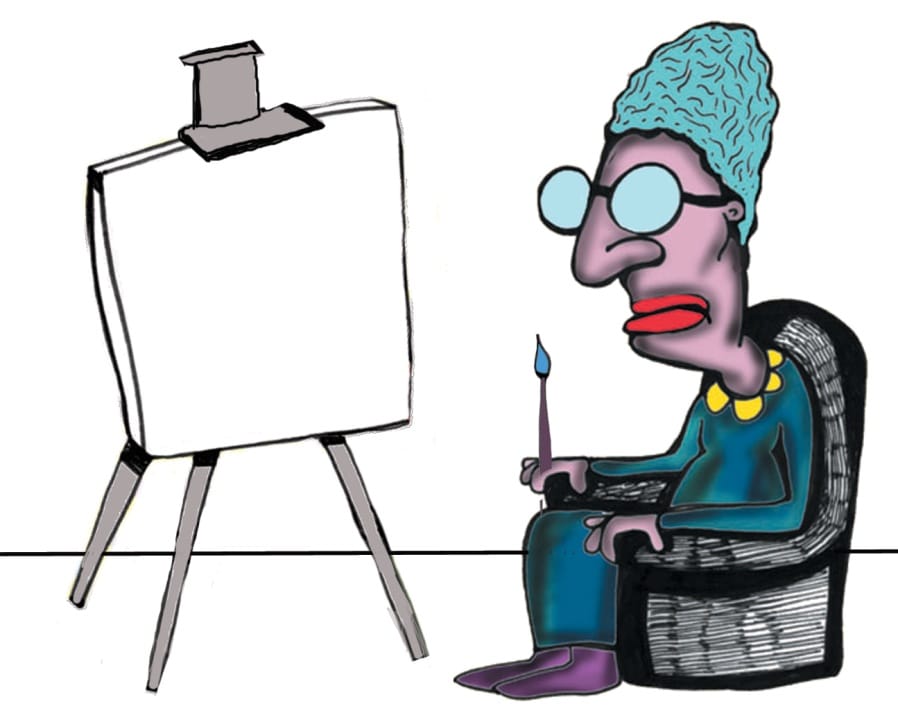
If you create things (art, food, music, dance, writing, design, anything), there will inevitably be days where you mentally beat yourself up for not making your art. Recently I unexpectedly found myself with 24 free hours that I hadn’t anticipated. A client had rescheduled a workshop to a later date, and instead of running a session, I found myself in my art studio, facing a blank canvas and struggling with what to do next.
The struggle unfolded as a series of conversations inside my head:
- “Hey, artist guy, you say all you want is some time to paint, but here it is, and guess what? You don’t know what to paint or where to start do you?”
- “You call yourself an artist, but REAL artists have a schedule and discipline. Where is yours?”
- “Time is fleeting; you have to make something and it better be great, or when you die, no one will remember who you were.”
As you can see, the conversation became more and more distorted, turning into a chaotic shouting match in my head that made it impossible to do anything. What the hell? I had been dreaming of having some spacious time to make art, and when it showed up, I was paralyzed by the voices in my head.
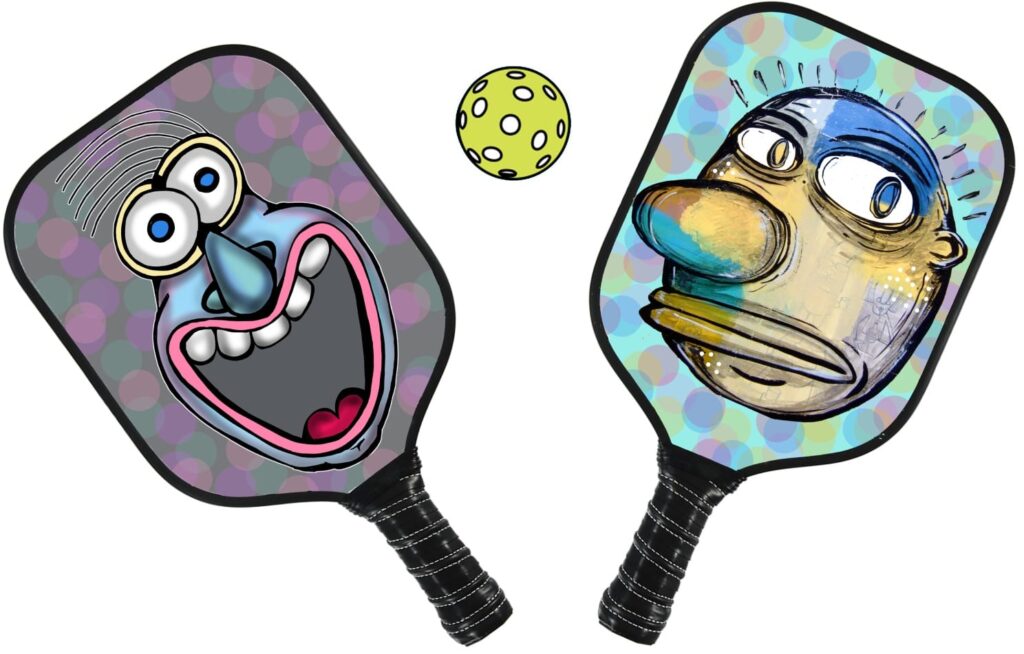
These moments expose a paradox I first learned about years ago in my beginning improv training and encountered again recently as I tried to improve my pickleball game (yes, pickleball. Don’t roll your eyes; I’m hooked. For those of you unfamiliar with this paddle sport, you can learn more here).
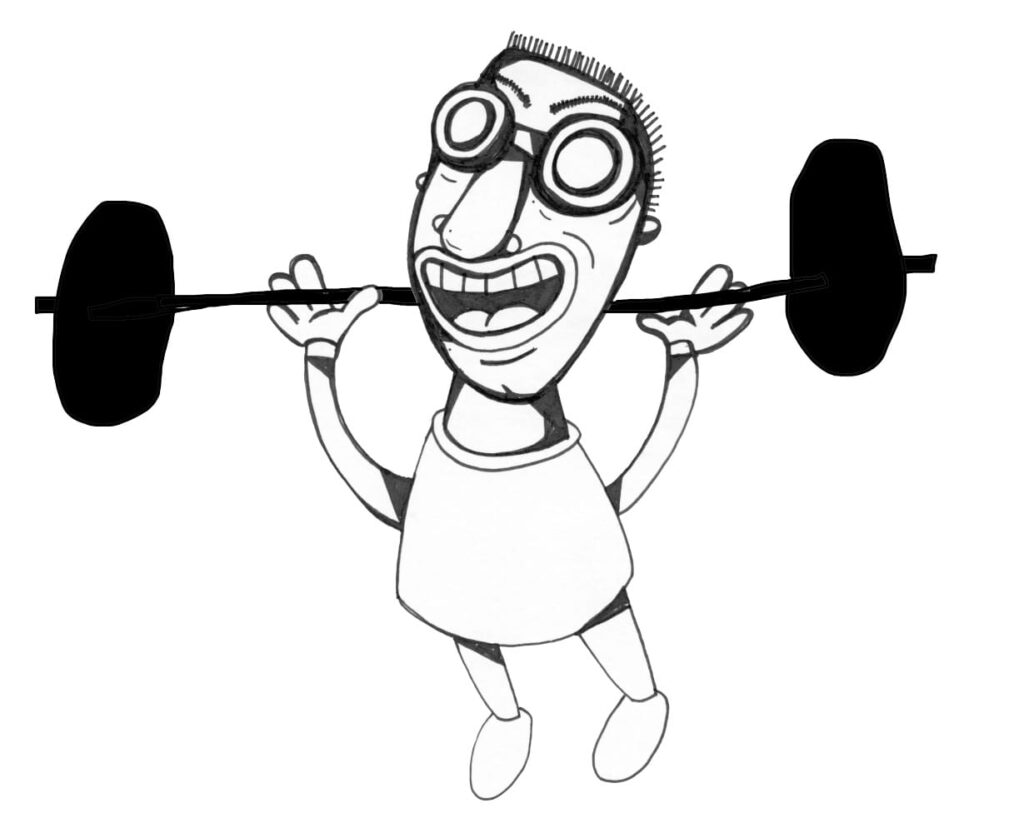
Years ago, I was in an improv seminar being taught by the late improv genius Keith Johnstone. During class, Keith told us a story about a Russian weightlifter trying to qualify for the Olympics. This competitor was laser-focused on beating his personal best weight during his training leading up to the Olympics. He was obsessed but had yet to lift this maximum weight during his training. One day he came to training hobbled by a head cold, which left him feverish and congested. His trainers told him to take it easy that day, and instead of putting the maximum weight on the bar, they told him that they would use a lighter weight while he was sick. But that’s not what the trainers actually did. Instead of putting a lighter weight on the practice bar, they once again loaded the maximum weight. The lifter wasn’t even paying attention; after all, he was feeling sick and tired. So, with little conviction, he placed his hands on the bar, dropped into his lift, and (for the first time) completed the lift at the maximum weight! Afterward his trainers revealed what they had done, the exhilarated lifter said, “You tricked me!”. To which his trainers replied, “No, you tricked yourself!”.
Keith Johnstone was telling this story to a group of improv students to make a point and reveal a wonderful, yet paradoxical creative practice. If you want to do your best work, don’t try your best.
When I “try my best” on the improv stage, I forget to focus on my brilliant partners and only pay attention to myself. I waste energy wondering how I can be interesting, funny, and memorable. This inevitably makes me uninteresting, not funny, and forgettable.
When I play pickleball (insert your sport of choice here), if I “try my best,” I tense up, hit the ball too hard, and often into the net (bad) instead of over the net (good).
When it comes to creating art, the same rule applies. It is not helpful to try really hard to be creative. Don’t try your best, or as I like to say sometimes, “Look at your work in your periphery.” Don’t focus on the art head-on; don’t clench up (or down) with intensity or effort. Instead, don’t try your best; relax, breathe, and see what shows up. Maybe an unexpected, free day will pass without you making anything… Maybe you’ll create a masterpiece. But chances are if you TRY to make a masterpiece, you most likely won’t. If you don’t try your best, you just might.